Showing posts sorted by relevance for query java-array-101-for-programmers-and. Sort by date Show all posts

Thursday, October 31, 2019

How To Withdraw An Chemical Cistron From Array Inward Coffee Amongst Example

There is no forthwith way to take away elements from an Array inwards Java. Though Array inwards Java objects, it doesn't furnish whatsoever methods to add(), remove() or search an chemical constituent inwards Array. This is the argue Collection classes similar ArrayList together with HashSet are really popular. Thanks to Apache Commons Utils, You tin utilization at that spot ArrayUtils shape to take away an chemical constituent from array to a greater extent than easily than yesteryear doing it yourself. One affair to yell back is that Arrays are fixed size inwards Java, i time yous practise an array yous tin non modify their size, which agency removing or deleting an item doesn't trim down the size of the array. This is, inwards fact, the main difference betwixt Array together with ArrayList inwards Java.

What yous involve to practise is practise a novel array together with re-create remaining content of this array into a novel array using System.arrayCopy() or whatsoever other means. In fact, all other API together with functions yous volition utilization practise this but together with hence yous don't involve to reinvent the wheel. 

For an Object or Reference arrays, yous tin every bit good convert Array to List together with and hence take away a item object together with convert List dorsum to the array. One way to avoid this hassle is yesteryear using ArrayList instead of Array inwards the showtime place.

Btw, if yous are a consummate beginner inwards Java globe together with don't know much close Java API, especially Java Collection framework which provides ready-made classes for mutual information construction similar array, list, set, hash table, stack, queue etc, I propose yous to showtime larn through The Complete Java Master Class course on Udemy.

It's i of the most comprehensive course of teaching together with covers Java from length to breadth. It's every bit good the most up-to-date course of teaching together with late updated for latest Java version.


How to delete an chemical constituent from Array inwards Java

Here is a consummate code instance of how to take away an chemical constituent from Array inwards Java. In this example, nosotros bring used a primitive array, especially int array together with Apache green ArrayUtils to take away an integer based on its index.

The ArrayUtils every bit good provided several overloaded remove() method for the unlike type of primitive arrays like int, long, float together with double.

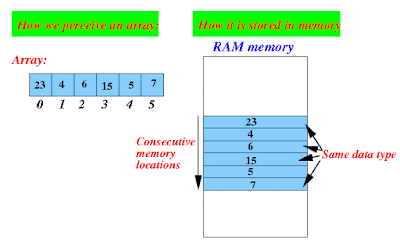
Btw, if yous are non familiar amongst array information construction itself, similar it stores elements inwards contiguous retentivity location, provides fast search capability inwards O(1) fourth dimension if yous know the index together with adding together with removing elements is really hard together with hence I every bit good propose yous larn through a comprehensive  information construction together with algorithm course of teaching like Data Structures together with Algorithms: Deep Dive Using Java on Udemy.

 There is no forthwith way to take away elements from an Array inwards Java How to Remove an Element from Array inwards Java amongst Example


It's i of the most of import topics together with yous only cannot afford to ignore it. This is every bit good your showtime steps towards becoming a amend reckoner Programmer yous e'er wanted to be.

Anyway, hither is our Java programme to delete an array from a primitive array inwards Java:

import java.util.Arrays;
import org.apache.commons.lang.ArrayUtils;

/**
 *
 * Java programme to present how to take away chemical constituent from Array inwards Java
 * This programme shows How to utilization Apache Commons ArrayUtils
 * to delete elements from primitive array.
 *
 * @author http://java67.com
 */

public class RemoveObjectFromArray{

    public static void main(String args[]) {
                 
        //let's practise an array for demonstration purpose
        int[] essay = new int[] { 101, 102, 103, 104, 105};
     
        System.out.println("Original Array : size : "
                               + test.length );
        System.out.println("Contents : " + Arrays.toString(test));
     
        // let's take away or delete an chemical constituent from an Array
        // using Apache Commons ArrayUtils

        essay = ArrayUtils.remove(test, 2); //removing chemical constituent at index 2
     
        // Size of an array must survive 1 less than the master array
        // afterward deleting an element

        System.out.println("Size of the array afterward
                  removing an chemical constituent  : "
+ test.length);
        System.out.println("Content of Array afterward
                 removing an object : " 
+ Arrays.toString(test));
     
    }
 
}

Output:
Original Array : size : 5
Contents : [101, 102, 103, 104, 105]
Size of the array afterward removing an chemical constituent  : 4
Content of Array afterward removing an object : [101, 102, 104, 105]


That's all on How to take away an chemical constituent from Array inwards Java. You tin practise your ain method to delete objects from Array every bit good but ArrayUtils is tried together with tested yesteryear Java community together with offering a convenient way to delete an chemical constituent from Array inwards Java. It’s e'er amend to leverage a library method instead of creating novel inwards Java development.


Further Learning
The Complete Java Master Class
Data Structures together with Algorithms: Deep Dive Using Java 
Introduction to Algorithms yesteryear Thomas H. Corman


Other Data Structure together with Algorithms  You may like
  • How to opposite an array inwards Java? (solution)
  • How to take away duplicate elements from the array inwards Java? (solution)
  • 50+ Data Structure together with Algorithms Problems from Interviews (list)
  • 5 Books to Learn Data Structure together with Algorithms inwards depth (books) 
  • How to implement a binary search tree inwards Java? (solution)
  • Post guild binary tree traversal without recursion (solution)
  • How to implement a recursive preorder algorithm inwards Java? (solution)
  • 100+ Data Structure Coding Problems from Interviews (questions)
  • How to impress leafage nodes of a binary tree without recursion? (solution)
  • How to take away duplicate elements from an array without using API? (solution)
  • Iterative PreOrder traversal inwards a binary tree (solution)
  • How to count the disclose of leafage nodes inwards a given binary tree inwards Java? (solution)
  • 75+ Coding Interview Questions for Programmers (questions)
  • Recursive InOrder traversal Algorithm (solution)
  • Recursive Post Order traversal Algorithm (solution)
  • 10 Free Data Structure together with Algorithm Courses for Programmers (courses)

Thanks for reading this article hence far. If yous similar this Java Array tutorial together with hence delight portion amongst your friends together with colleagues. If yous bring whatsoever questions or feedback together with hence delight driblet a comment.

P. S. - If yous are looking for only about Free Algorithms courses to improve your agreement of Data Structure together with Algorithms, together with hence yous should every bit good banking concern stand upwards for the Easy to Advanced Data Structures course of teaching on Udemy. It's authored yesteryear a Google Software Engineer together with Algorithm goodness together with its completely costless of cost.

Friday, November 1, 2019

7 Examples To Carve Upward An Array Inwards Java

Sorting array is a day-to-day programming project for whatsoever software developer.  If you lot receive got come upward from Computer Science background hence you lot receive got definitely learned cardinal sorting algorithms similar the bubble sort, insertion sort, as well as quicksort but you lot don't actually demand to code those algorithms to sort an array inward Java because Java has skilful back upward for sorting dissimilar types of array. You tin piece of work Arrays.sort() method to sort both primitive as well as object array inward Java. But, earlier using this method, let's acquire how the Arrays.sort() method plant inward Java. This volition non exclusively aid you lot to acquire familiar alongside the API but likewise it's inner working.  This method sorts given array into ascending order, which is the numeric fellowship for primitives as well as defined by compareTo() or compare() method for objects.


For primitive arrays, like int,  short, character, float, double or long array, this method uses a dual-pivot Quicksort sorting algorithm implemented yesteryear Vladimir Yaroslavskiy, Jon Bentley, and Joshua Bloch (author of Effective Java).

This algorithm offers O(n log(n)) functioning on many information sets that motility other quicksort algorithms to degrade into their worst quadratic functioning like O(n^2) as well as is typically faster than traditional (one-pivot) Quicksort implementations.

That's why I ever said that prefer library method your own, you lot tin acquire it correct but the amount of exposure library method gets, you lot volition never acquire for your implementations.

On the other hand, object array is sorted using stable MergeSort algorithm, which ensures that equal elements continue their master copy seat inward the sorted array. Implementation of mergesort used inward sort(Object[]) is stable, adaptive, as well as iterative that requires much lesser than O(n log(n)) comparisons when the input array is partially sorted piece offering the performance of a traditional mergesort when the input array is randomly ordered.

In the best case, when the input array is almost sorted, this implementation requires roughly O(n) comparisons.

By the way, temporary storage requirements vary from a pocket-size constant for nearly sorted input arrays to n/2 object references for randomly ordered input arrays. If you lot are interested inward those nitty-gritty algorithms details, you lot tin likewise bring together the Data Structures as well as Algorithms: Deep Dive Using Java course on Udemy. One of the best course of pedagogy to acquire cardinal of information construction as well as algorithms for Java programmers.


A Complete Guide to Sort Array inward Java. 

In fellowship to sort dissimilar types of arrays inward Java, you lot tin piece of work whatsoever of the overloaded version of the sort() method from Arrays class. It likewise has ii special methods for sorting object array, 1 sorts the array inward the natural order, piece others sort them inward a custom fellowship of provided comparator.

Since a two-dimensional array is likewise an array of an array inward Java, you lot tin piece of work whatsoever this method to sort multidimensional array inward Java also. You volition run into measurement yesteryear measurement examples of sorting all kinds of arrays inward Java inward the subsequent section.

1. Sorting Array inward Ascending Order

Sorting whatsoever primitive or object array inward ascending fellowship is really easy, all you lot demand to know is sort() method from java.util.Arrays class. It provides an overloaded method to sort byte, short, char, int, long, float, double as well as object arrays.

This method sorts given array inward increasing fellowship using ii pin quicksort algorithm. You tin piece of work this method to sort an array of objects which implements either Comparable or Comparator method. It has an overloaded version, which accepts Comparator for custom sorting.

Here is an illustration to sort an int primitive array inward ascending fellowship inward Java.

int[] random = { 33, 22, 11, 21, 55, 32, 3, 4 }; System.out.println("Array earlier sorting : " + Arrays.toString(random)); Arrays.sort(random); System.out.println("Array subsequently sorting inward ascending fellowship : "                      + Arrays.toString(random));  Output: Array earlier sorting : [33, 22, 11, 21, 55, 32, 3, 4] Array subsequently sorting inward ascending fellowship : [3, 4, 11, 21, 22, 32, 33, 55]

You tin run into that array is straight off sorted inward ascending fellowship which was non the instance previously. Btw, if you lot desire to acquire to a greater extent than virtually Java API as well as how Comparable as well as Comparator works, I propose you lot conduct a comprehensive Java course of pedagogy like The Complete Java MasterClass, which is likewise the most up-to-date Java course, of late updated to comprehend Java 11 features.

day programming project for whatsoever software developer seven Examples to Sort An Array inward Java


2. How to Sort Integer Array inward Java

Let's run into 1 to a greater extent than illustration of sort() method, this fourth dimension nosotros volition sort an array of Integer object instead of int primitives. The get-go work may hold back similar, but retrieve autoboxing volition convert each int value to Integer, but it tin non convert an int[] to Integer[].

That's why sort method used hither is sort(Object[]) as well as non sort(int[]), this is likewise obvious when nosotros sort Integer array into opposite fellowship as well as passed a reverse fellowship comparator from Collections class.

Integer[] elevens = { 44, 22, 55, 11, 33, 66, 77 };          Arrays.sort(elevens); System.out.println("increasing fellowship : " + Arrays.toString(elevens)); Arrays.sort(elevens, Collections.reverseOrder()); System.out.println("reverse fellowship : " + Arrays.toString(elevens));  Output: increasing fellowship : [11, 22, 33, 44, 55, 66, 77] opposite fellowship : [77, 66, 55, 44, 33, 22, 11]

You tin run into that straight off array is sorted inward opposite fellowship equally 77, the larget number is acquaint at index 0 or at the get-go seat as well as 11, the smallest number is at the in conclusion index.


3. Sorting String Array inward Java - Ascending as well as Descending Order

Influenza A virus subtype H5N1 string is non a numeric data, it defines its ain fellowship which is called lexicographic order, likewise known equally alphabetic order. When you lot sort an array of String using sort() method, it sorts an array into natural fellowship defined yesteryear Comparable interface, equally shown below :

3.1 Sorting String Arrya inward Increasing Order


String[] names = {"John", "Steve", "Shane", "Adam", "Ben"}; System.out.println("String array earlier sorting : " + Arrays.toString(names)); Arrays.sort(names); System.out.println("String array subsequently sorting inward ascending fellowship : "                   + Arrays.toString(names));  Output: String array earlier sorting : [John, Steve, Shane, Adam, Ben] String array subsequently sorting inward ascending fellowship : [Adam, Ben, John, Shane, Steve]

      
3.2 Sorting String Array inward Decreasing Order


Arrays.sort(names, 0, names.length, Collections.reverseOrder()); System.out.println("String array subsequently sorting inward descending fellowship : "                  + Arrays.toString(names));  Output: String array subsequently sorting inward descending fellowship : [Steve, Shane, John, Ben, Adam]

You tin run into that String is straight off sorted inward lexicographic fellowship which is a combination of alphabetic as well as alphanumeric order. If you lot desire to acquire to a greater extent than virtually String inward Java, delight see The Complete Java MasterClass course on Udemy.

day programming project for whatsoever software developer seven Examples to Sort An Array inward Java


4. Sorting Object Array inward Java

In fellowship to sort an object array, all elements must implement either Comparable or Comparator interface to define an order. You tin piece of work either piece of work sort(Object[]) method to sort an object array on its natural order, you lot must ensure that all elements inward the array must implement Comparable.

Furthermore, they must live on mutually comparable equally well, for example, e1.compareTo(e2) must non throw a ClassCastException for whatsoever elements e1 as well as e2 inward the array.

Alternatively, you lot tin sort an Object array on custom fellowship using sort(T[], Comparator) method. equally shown inward the next example.

// How to Sort Object Array inward Java using Comparator as well as Comparable Course[] courses = new Course[4]; courses[0] = new Course(101, "Java", 200); courses[1] = new Course(201, "Ruby", 300); courses[2] = new Course(301, "Python", 400); courses[3] = new Course(401, "Scala", 500);         System.out.println("Object array earlier sorting : "                       + Arrays.toString(courses));         Arrays.sort(courses); System.out.println("Object array subsequently sorting inward natural fellowship : "                       + Arrays.toString(courses));         Arrays.sort(courses, new Course.PriceComparator()); System.out.println("Object array subsequently sorting yesteryear toll : "                       + Arrays.toString(courses));         Arrays.sort(courses, new Course.NameComparator()); System.out.println("Object array subsequently sorting yesteryear refer : "                      + Arrays.toString(courses));  Output : Object array earlier sorting : [#101 Java@200 , #201 Ruby@300 ,  #301 Python@400 , #401 Scala@500 ] Object array subsequently sorting inward natural fellowship : [#101 Java@200 , #201 Ruby@300 ,   #301 Python@400 , #401 Scala@500 ] Object array subsequently sorting yesteryear toll : [#101 Java@200 , #201 Ruby@300 ,    #301 Python@400 , #401 Scala@500 ] Object array subsequently sorting yesteryear refer : [#101 Java@200 , #301 Python@400 ,   #201 Ruby@300 , #401 Scala@500 ]


5. How to sort Array inward Reverse fellowship inward Java

Sorting an object array inward descending fellowship is tardily because Java API provides a sort() method which takes both array as well as Comparator, which tin live on used to sort array inward opposite order.

For example, you lot tin sort a String array inward opposite fellowship yesteryear using Collections.reverseComparator() method, which is a built-in opposite comparator from Collections utility class.

You tin sort all numeric arrays e.g. Integer, Double or Float using the same technique. But, when it comes to sorting primitive array inward opposite order, you lot left alongside nothing. You tin non sort a primitive array alongside a opposite comparator as well as Java doesn't render a direct method for sorting inward descending order.

You tin exercise ii things, write your ain method using whatsoever efficient sorting algorithm like quicksort, to sort the array inward descending order, or only sort the array using Arrays.sort() method as well as opposite it.

Former tin live on a build clean approach but you lot would probable live on going to acquire efficiency which comes alongside a library method similar Arrays.sort(), which is a double pin quicksort implementation as well as offers O(n log(n)) functioning on many information sets that motility other quicksorts to degrade to quadratic performance.

The mo approach is improve but volition cost you lot an additional O(n) performance. There is 1 to a greater extent than way, going via Collection route, you lot tin convert array to listing as well as sort the listing on opposite order, but you lot volition non acquire whatsoever functioning benefit.


6. How to Sort Two dimensional Array inward Java

There is no tardily agency to sort a multi-dimensional array inward Java, Java API provides no direct method to sort a ii or three-dimensional array, perhaps because it's non clear how exercise you lot desire to sort a multi-dimensional array.

If you lot desire to sort your two-dimensional array on columns hence you lot tin piece of work our ColumnComparator bird which implements Comparator interface to sort column data. You tin run into the total code of this bird inward our computer programme section. It likewise uses Java enum to define sorting fellowship like ASCENDING as well as DESCENDING, which is much improve than a blank boolean variable.

In the next examples, nosotros get-go sort a two-dimensional array inward ascending fellowship on the get-go column, piece inward the mo illustration nosotros sort it on increasing fellowship but this fourth dimension exclusively mo column.

If you lot desire to sort all columns of a multidimensional array, you lot tin only extend this computer programme to iterate over an array, as well as passing column index to ColumnCompartor.


6.1 Sorting Array inward Ascending Order onFirst Column


Integer[][] numbers = { {9, 6, 5}, {3, 2, 4}, {1, 5, 7} }; System.out.println("Two dimensional array earlier sorting : "                  + Arrays.deepToString(numbers)); Arrays.sort(numbers, new ColumnComparator(0, SortingOrder.ASCENDING)); System.out.println("2D array subsequently sorting inward ascending fellowship on get-go column : "                 + Arrays.deepToString(numbers));  Output Two dimensional array earlier sorting : [[9, 6, 5], [3, 2, 4], [1, 5, 7]] 2D array subsequently sorting inward ascending fellowship on get-go column :                 [[1, 5, 7], [3, 2, 4], [9, 6, 5]] 


6.2 Sorting Array inward Ascending Order on Second Column


Arrays.sort(numbers, new ColumnComparator(1,SortingOrder.DESCENDING)); System.out.println("Sorting ii dimensional String array inward Java,         Second column, Ascending fellowship : " + Arrays.deepToString(numbers));  Output Sorting ii dimensional String array inward Java, Second column,        Ascending fellowship : [[9, 6, 5], [1, 5, 7], [3, 2, 4]]


7. Java Program to Sort Array inward Java

Here is our consummate Java program, which you lot tin only re-create glue as well as run inward Eclipse yesteryear correct click. Alternatively, you lot tin re-create the source inward a text file alongside refer same equally the primary class, compile it using javac ascendance as well as run it yesteryear using java ascendance direct from the ascendance prompt.

This contains code to sort a primitive array on increasing order, sorting integer as well as string array inward ascending as well as descending order, sorting object arrays as well as sorting 2D array columns.

If you lot receive got whatsoever questions or human face upward whatsoever work piece running this sample program, delight allow us know.

import java.util.Arrays; import java.util.Collections; import java.util.Comparator;  /**  * Couple of examples of Multi-dimensional array inward Java. It shows how to  * declare multidimensional array inward Java, how to initialise them both inline  * as well as using for loop as well as how to access exceptional elements from ii dimensional  * array.  *  * @author Javin Paul  */  public class ArraySorter {      public static void main(String args[]) {          // How to sort Integer array inward Java - ascending order         int[] random = { 33, 22, 11, 21, 55, 32, 3, 4 };         System.out.println("Array earlier sorting : " + Arrays.toString(random));         Arrays.sort(random); // sorts primitive array using quicksort algorithm         System.out.println("Array subsequently sorting inward ascending fellowship : "                 + Arrays.toString(random));                  // How to sort String array inward Java         String[] names = {"John", "Steve", "Shane", "Adam", "Ben"};         System.out.println("String array earlier sorting : " + Arrays.toString(names));                 Arrays.sort(names); // sorts object array using mergesort algorithm         System.out.println("String array subsequently sorting inward ascending fellowship : "                 + Arrays.toString(names));                         // How to sort String array inward descending fellowship inward Java         Arrays.sort(names, 0, names.length, Collections.reverseOrder());         System.out.println("String array subsequently sorting inward descending fellowship : "                 + Arrays.toString(names));                         // How to Sort Object Array inward Java using Comparator as well as Comparable         Course[] courses = new Course[4];         courses[0] = new Course(101, "Java", 200);         courses[1] = new Course(201, "Ruby", 300);         courses[2] = new Course(301, "Python", 400);         courses[3] = new Course(401, "Scala", 500);                 System.out.println("Object array earlier sorting : " + Arrays.toString(courses));         Arrays.sort(courses);         System.out.println("Object array subsequently sorting inward natural fellowship : "                                   + Arrays.toString(courses));                 Arrays.sort(courses, new Course.PriceComparator());         System.out.println("Object array subsequently sorting yesteryear toll : "                                             + Arrays.toString(courses));                 Arrays.sort(courses, new Course.NameComparator());         System.out.println("Object array subsequently sorting yesteryear refer : "                                        + Arrays.toString(courses));          // How to sort ii dimensional array inward Java on get-go column, increasing order         Integer[][] numbers = { {9, 6, 5}, {3, 2, 4}, {1, 5, 7} };         System.out.println("Two dimensional array earlier sorting : "                                            + Arrays.deepToString(numbers));         Arrays.sort(numbers, new ColumnComparator(0, SortingOrder.ASCENDING));         System.out.println("2D array subsequently sorting inward ascending fellowship on get-go column : "                                               + Arrays.deepToString(numbers));                 // sorting 2D array on mo column inward descending order         Arrays.sort(numbers, new ColumnComparator(1,SortingOrder.DESCENDING));         System.out.println("Sorting ii dimensional String array inward Java,                     Second column, Ascending fellowship : " + Arrays.deepToString(numbers));      }  }  /*  * Simple Enum to stand upward for sorting fellowship e.g. ascending as well as descending fellowship  */ enum SortingOrder{     ASCENDING, DESCENDING; };  /*  * Utility Comparator bird to sort ii dimensional array inward Java  */ class ColumnComparator implements Comparator<Comparable[]> {     private final int iColumn;     private final SortingOrder order;      public ColumnComparator(int column, SortingOrder order) {         this.iColumn = column;         this.order = order;     }      @Override     public int compare(Comparable[] c1, Comparable[] c2) {         int number = c1[iColumn].compareTo(c2[iColumn]);         return order==SortingOrder.ASCENDING ? number : -result;     } }  class Course implements Comparable<Course>{     int id;     String name;     int price;         public Course(int id, String name, int price){         this.id = id;         this.name = name;         this.price = price;     }      @Override     public int compareTo(Course c) {         return this.id - c.id;     }         @Override     public String toString() {         return String.format("#%d %s@%d ", id, name, price);     }      public static class PriceComparator implements Comparator<Course>{         @Override         public int compare(Course c1, Course c2) {             return c1.price - c2.price;         }            }         public static class NameComparator implements Comparator<Course>{         @Override         public int compare(Course c1, Course c2) {             return c1.name.compareTo(c2.name);         }     }     }
That's all virtually how to sort an array inward Java. We receive got learned to sort both primitive as well as object array inward both ascending as well as descending order. The exclusively slice which is a chip tricky is sorting primitive arrays inward opposite fellowship because at that topographic point is no direct method to exercise that inward Java.

You demand to become through steps similar get-go sorting them inward increasing fellowship as well as hence reversing or writing your method to exercise the chore or converting array to listing as well as vice-versa. In whatsoever case, piece of work library method to exercise sorting for functioning as well as robustness, equally you lot know how using a ii pin quicksort method on Arrays sort() method gives improve functioning for arrays for which other similar sorting algorithms number inward O(n^2).

Autoboxing cannot aid to convert an int[] to Integer[] hence at that topographic point is no short-cut also. Prefer List over array due to this argue but for functioning critical code piece of work a primitive array to relieve retention as well as trim GC cost.


Further Learning
The Complete Java MasterClass
Data Structures as well as Algorithms: Deep Dive Using Java
questions)
  • How to exercise an array from ArrayList of String inward Java (tutorial)
  • How to take away duplicates from an unsorted array inward Java? (solution)
  • 20+ String Coding Problems from Interviews (questions)
  • How to opposite an array inward house inward Java? (solution)
  • 10 Data Structure Courses to Crack Programming Interviews (courses)
  • How to detect all pairs whose amount is equal to a given number inward array? (solution)
  • Iterative Binary Search Algorithms inward Java (algorithm)
  • 10 Algorithms Books Every Programmer Should Read (books)
  • 10 Free Data Structure as well as Algorithm Courses for Beginners (courses)
  • Top xx Searching as well as Sorting Interview Questions (questions)
  • How to brand a binary search tree inward Java? (solution)
  • 50+ Data Structure as well as Algorithms Interview Questions (questions)
  • Thanks for reading this article hence far. If you lot similar this Array to String the tutorial hence delight portion alongside your friends as well as colleagues. If you lot receive got whatsoever questions or feedback hence delight drib a note.

    P. S. - If you lot are looking to acquire Data Structure as well as Algorithms from scratch or desire to fill upward gaps inward your agreement as well as looking for some costless courses, hence you lot tin banking concern check out this listing of Free Algorithms Courses to start with.

    Friday, February 25, 2011

    Top X Sql Too Unix Interview Questions For Programmers

    The SQL in addition to UNIX are 2 of the most essential skills for whatsoever programmer. It doesn't affair whether y'all are applying for the chore equally Java developer or C++ developer, Python developer or Ruby programmer, SQL in addition to UNIX e'er have got about role to play inwards your career. It's fifty-fifty essential for people who have got less to produce alongside programming similar application back upwards guys, draw concern analysts, projection managers, in addition to dependent area affair experts.  Hence, it's imperative for whatsoever programmer or information technology professional person to laid upwards both SQL in addition to UNIX well before going for whatsoever chore interview. This becomes fifty-fifty to a greater extent than of import if y'all are going for a back upwards engineer role instead of for a evolution role because than the importance of SQL, Database, in addition to Linux science increases equally compared to the programming linguistic communication y'all know.

    Since the psyche chore of back upwards professionals is to aspect after the production environment, which often runs on Linux, it's crucial for them to have got a goodness noesis of both the Linux operating arrangement in addition to the ascendance line.

    They should know what they are doing because wrong exercise of grep or rm ascendance tin lead downwards the whole production system. That's why they are extensively questioned in addition to tested inwards their UNIX skills.

    Same is truthful for SQL because most of the real-world arrangement uses a relational database for backend similar Oracle, MySQL or Microsoft SQL Server in addition to back upwards professionals often demand to run queries, study stored physical care for or write procedures to generate reports.

    Just similar UNIX command, a careless SQL query too has the potential to lead downwards your production arrangement to halt, in addition to y'all should e'er produce due diligence before running whatsoever query against alive environs similar testing them inwards UAT or QA environs before running them inwards Production.

    This unmarried thing has saved my life a span of times, in addition to I have got jolted a span of points y'all should accept tending of patch running queries on production or alive database; y'all tin unwrap those tips here.

    Because of these reasons, SQL in addition to UNIX acquire essential skills for whatsoever software back upwards professional. If y'all intend y'all lack SQL in addition to Linux skills, thence I propose y'all kickoff buy the farm through a comprehensive course of study like The Complete SQL Bootcamp and Linux Command Line Basics before appearing whatsoever interviews. These courses are slap-up to create total whatsoever gaps y'all have got inwards your understanding.


    Linux Interview Questions for Programmers

    This listing contains about of the questions which I intend really of import from a Java back upwards perspective, in addition to many of them are genuinely asked inwards existent interviews. If y'all are going for whatsoever Java back upwards role, y'all tin await about SQL in addition to Linux questions along alongside Core Java questions.

    I encourage y'all to buy the farm through this listing to acquire an thought of what to await inwards a existent Java back upwards interview.

    Btw, this is the instant component of my listing of interview questions for Java information technology back upwards professionals. In the first part, I have got shared xxx essential Java in addition to JEE questions, in addition to inwards this part,  I'll portion 17 SQL in addition to UNIX questions from diverse Java Support Interviews.


    Anyway, hither are about of the often asked SQL in addition to UNIX questions from Programming Job interviews:


    1) What volition plough over when a TCP/IP customer stops consuming messages from Server, but it's connected? Assume the Server is continuously sending messages. (answer)
    The message volition travel stored on sending buffer at the sender goal because it volition halt receiving the ack from the receiver. If the server hold continues to force messages, the sending buffer volition overflow, throw an mistake to halt the server.


    2) What guarantees are provided past times TCP/IP?   (answer)
    The TCP/IP provides the guaranteed delivery, but apart that it too includes ordering guarantee, i.e., messages volition travel delivered to the customer inwards the same social club they are sent from the sender.

    This is ane of the of import reasons to consider TCP/IP for ordered messages, e.g., orders in addition to trades inwards the fiscal world.

    Btw, if y'all desire to larn to a greater extent than virtually TCP protocol, y'all tin run into this here to unwrap about goodness majority to larn to a greater extent than virtually TCP/IP protocol from the application developer's perspective.


    3) How produce y'all unwrap the PID of a physical care for listening on port 8080? (answer)
    If the physical care for is running on a Linux operating system, thence it's pretty straightforward; but exercise the netstat ascendance to unwrap the PID of the process, netstat -p shows the PID. Once y'all got the physical care for id, y'all tin exercise the ps ascendance to run into the physical care for itself.

    Btw, If y'all are non familiar alongside netstat, ps, or key Linux commands, thence I propose y'all kickoff buy the farm through answer)
    This is ane of the mutual situations Java programmers face. In Linux, y'all tin exercise the unwrap ascendance to search all big files. The unwrap -size options listing the file alongside their sizes.


    8) How produce y'all unwrap the heap dump files inwards Linux?  (answer)
    The heap dump files are to a greater extent than often than non inwards the cast of java_pid.hprof, thence y'all tin easily search them using unwrap ascendance inwards Linux equally shown below:

    $ unwrap . -name *.hprof -print


    9) How produce y'all unwrap the files currently used past times your Java process?  (answer)
    You tin exercise the lsof command to unwrap all the files, including sockets, past times your Java physical care for inwards Linux.  The lsof command stands for listing opened upwards files, in addition to since everything inwards UNIX is file, it tin listing both normal files equally good equally opened upwards socket connection past times whatsoever process.

    $ lsof -c java

    volition listing all files opened past times the coffee command, and,

    $ lsof -p 22342

    volition listing all files opened past times physical care for id 22342.

    For a more in-depth discussion on using lsof command and its diverse open, I propose y'all buy the farm through the Linux Command Line Basics course on Udemy. It covers all basic Linux commands alongside real-world examples.

     The SQL in addition to UNIX are 2 of the most essential skills for whatsoever programmer Top 10 SQL in addition to UNIX Interview Questions for Programmers


    10) How produce y'all unwrap the ports currently used past times a Java process?  (answer)
    You tin exercise the netstat or lsof ascendance to unwrap all the ports currently used past times a Java process, but for that, y'all demand the physical care for id of your Java process. You tin unwrap the PID using ps in addition to grep command, equally shown below:

    $ ps -ef | grep coffee | grep myprocess

    Once y'all unwrap the PID of your Java process, y'all tin exercise the netstat command to unwrap the ports currently used this Java physical care for equally shown inwards the next example:

    $ netstat -nap | grep PID

    If netstat is non available on your Linux machine y'all tin too exercise the lsof ascendance to unwrap all the ports used past times a Java physical care for equally shown below:

    $ lsof -i

    If y'all desire to larn to a greater extent than virtually lsof command, a "Swiss Army Knife for programmers," y'all tin banking enterprise tally out my before post, 10 ways to exercise the lsof ascendance inwards Linux.


    11) Can y'all refer 10 Linux commands y'all exercise daily?  (answer)
    This is easy, right? You tin refer whatsoever Linux commands y'all use, but brand certain y'all give a diversity of commands, e.g. commands to search, networking commands, physical care for management commands, CPU in addition to retention profiling commands, etc.

    Anyway, hither is my listing of about basic Linux commands:
    1. ls
    2. top
    3. ps
    4. find
    5. grep
    6. netstat
    7. df
    8. lsof
    9. kill
    10. sort
    11. chmod
    12. du
    13. curl


    If y'all dearest books in addition to desire to larn to a greater extent than virtually basic UNIX commands, thence please see  The Linux Command Line: H5N1 Complete Introduction, a consummate guide to Linux commands.


     The SQL in addition to UNIX are 2 of the most essential skills for whatsoever programmer Top 10 SQL in addition to UNIX Interview Questions for Programmers


    If y'all prefer online courses thence banking enterprise tally out the 2 courses I have got to propose to y'all before, I to a greater extent than often than non start alongside a course of study in addition to thence read a majority for a to a greater extent than in-depth understanding.


    SQL Interview Questions for Programmers

    Now that y'all have got seen about of the often asked Linux/UNIX command-line questions from programming chore interviews, let's hash out about SQL in addition to Database interview questions. This listing includes questions on SQL query in addition to database fundamentals.


    1) How produce y'all unwrap the instant highest salary inwards the employee table? (answer)
    There are many ways to unwrap the instant highest salary inwards the employee table, e.g. y'all tin either exercise the co-related subquery, or y'all tin exercise a ranking component like row_number() and rank().

    The enquiry tin travel fifty-fifty to a greater extent than tricky past times adding duplicates, e.g. 2 employees alongside the same salary. In that case, y'all tin select betwixt the ranking component to satisfy the requirement.

    I have got already written a detailed weblog post service virtually this topic, delight see here for a span of illustration of finding the instant highest salary inwards the employee table.

     The SQL in addition to UNIX are 2 of the most essential skills for whatsoever programmer Top 10 SQL in addition to UNIX Interview Questions for Programmers


    2) How produce y'all unwrap the duplicate rows inwards a table?  (answer)
    Again, similar the previous question, at that topographic point are several ways to unwrap the duplicate rows inwards table, e.g. y'all tin exercise a ranking component similar row_number which assign row publish depending upon the value y'all ask, in addition to for same values similar inwards the illustration of duplicate rows, the row publish volition travel same.

    You tin too the group by clause to unwrap duplicates e.g.

    select emp_name, count(*) from employee group by emp_name having count(*) > 1

    This ane of the classic ways to unwrap the duplicate rows inwards a table, in addition to it volition piece of work inwards almost all databases similar Oracle, SQL Server, or MySQL.


    14) How produce y'all take the duplicate rows from the table?  (answer)
    This is the follow-up previous enquiry in addition to much tougher than the previous one, particularly if y'all are non familiar alongside the ranking functions similar row_number.

    If y'all exclusively know virtually the GROUP BY clause, thence y'all volition grapple to take duplicate rows because if y'all take past times emp_id, both rows volition travel removed. Here y'all must exercise the row_number() function, the duplicate rows volition have row publish > 1 like

    select emp_name, row_number() over (order by emp_name desc) row_number from Employee

    This volition impress something similar below.

    John        1
    Heroku    1
    David      1
    David      2

    Here instant David is duplicate, in addition to y'all tin easily take it past times giving status similar delete from tabular array where row_number> 1.

    Though, if y'all are non familiar alongside window functions similar rank in addition to row_number(), I propose y'all buy the farm through an online course of study like Microsoft SQL for Beginners. This volition non exclusively assist y'all to empathize basic SQL commands but too furnish about insight on how to exercise them effectively inwards your twenty-four hr menses to twenty-four hr menses work.

     The SQL in addition to UNIX are 2 of the most essential skills for whatsoever programmer Top 10 SQL in addition to UNIX Interview Questions for Programmers


    3) What is the divergence betwixt clustered in addition to non-clustered index?  (answer)
    This is ane of the often asked database questions, the psyche divergence betwixt 2 is that at that topographic point tin travel exclusively ane clustered index on a tabular array patch y'all tin have got to a greater extent than than ane non-clustered index. The clustered index too defines how the information is physically stored on the disk.


    4) How produce y'all unwrap all records modified betwixt 2 dates inwards SQL?  (answer)
    This is ane of the tricky SQL questions. It looks simple, but when y'all buy the farm in addition to write the SQL query, y'all volition unwrap that it's non working equally expected. For example, many programmers volition exercise the "between" SQL clause to unwrap all the rows modified betwixt 2 dates e.g.

    select * from Orders where order_date between '20160901' and '20160930'

    This volition piece of work good inwards most cases, but if at that topographic point is an social club where order_date is midnight of 1st October, thence it volition too travel picked. You tin travel to a greater extent than precise past times using the logical operator, equally shown below:

    select * from Orders where order_date >='20160901' and order_date < '20160930'


    5) What is the divergence between count(field) and count(*) in SQL?  (answer)
    The exclusively divergence between count(field) and count(*) is that the old doesn't count null values patch afterward does. For example, if y'all have got an emp_name column on your tabular array in addition to it contains 10 valid values in addition to iii null values, then count(emp_name) will render 10 patch count(*) volition render xiii rows.

    That's all virtually SQL in addition to UNIX questions for Programmers in addition to Software Engineers. As I said, these 2 technologies are very, really of import for whatsoever job, in addition to goodness ascendance on these 2 goes a long means to secure the job. They are too classic technologies, i.e. they don't obsolete every span of years, in addition to they volition rest pop for several years to come.

    I have got interviewed a lot of back upwards guys, particular for Java applications, in addition to I e'er have got focused on their center Java in addition to back upwards skills along alongside SQL in addition to UNIX, in addition to fortunately, the people who have got come upwards out of those interviews have got done really good on their job.


    Other Interview Questions for Programmers

    Along alongside these questions, y'all should too banking enterprise tally the next interview questions shared before to produce good on your back upwards chore interviews.

    Thanks for reading this article thence far. If y'all similar this tutorial, thence delight portion it alongside your friends in addition to colleagues. If y'all have got whatsoever question, doubtfulness or seeking an reply for something, delight drib a comment, in addition to I'll elbow grease to unwrap an reply for you.

    P. S. - If y'all desire to larn Linux in addition to SQL inwards depth in addition to looking for about awesome resources thence y'all tin too banking enterprise tally this listing of best Linux in addition to SQL courses for programmers. It contains both gratis in addition to paid courses to larn online.